Problems we solve
- The team disagrees on what to build and the debate is being settled in code
- An idea has never been tested with anyone who would actually use it
- Engineering is scaling but every screen is still designed from scratch
- A concept needs to be shown to a board or investors before it exists
Where this fits
- An idea that hasn't been validated with real users yet
- A product direction the team can't agree on
- Needing a design system before engineering scales
- A prototype for investors or internal buy-in
What's included
- Product strategy workshops
- UX research & wireframing
- UI design systems
- Prototyping & validation
Technologies
Process
How we deliver it.
01
Discover
Research with the people who'd actually use the product, before a single screen gets designed.
- User research
- Competitive analysis
- Problem definition
02
Define
Flows and information architecture get locked down while they're still cheap to change — on a whiteboard, not in code.
- User flows & IA
- Wireframes
- Validated product direction
03
Design
High-fidelity UI and a design system built to scale past the first release, not just look good in a pitch deck.
- UI design
- Design system
- Interactive prototype
04
Validate
Prototypes tested with real users before engineering commits, so the build starts on a direction that's already been proven.
- Usability testing
- Design handoff
- Engineering-ready specs
Outcomes
What you have at the end.
Concrete artefacts and capabilities, not a status report.
Why Dopstack
What working with us looks like.
From the blog
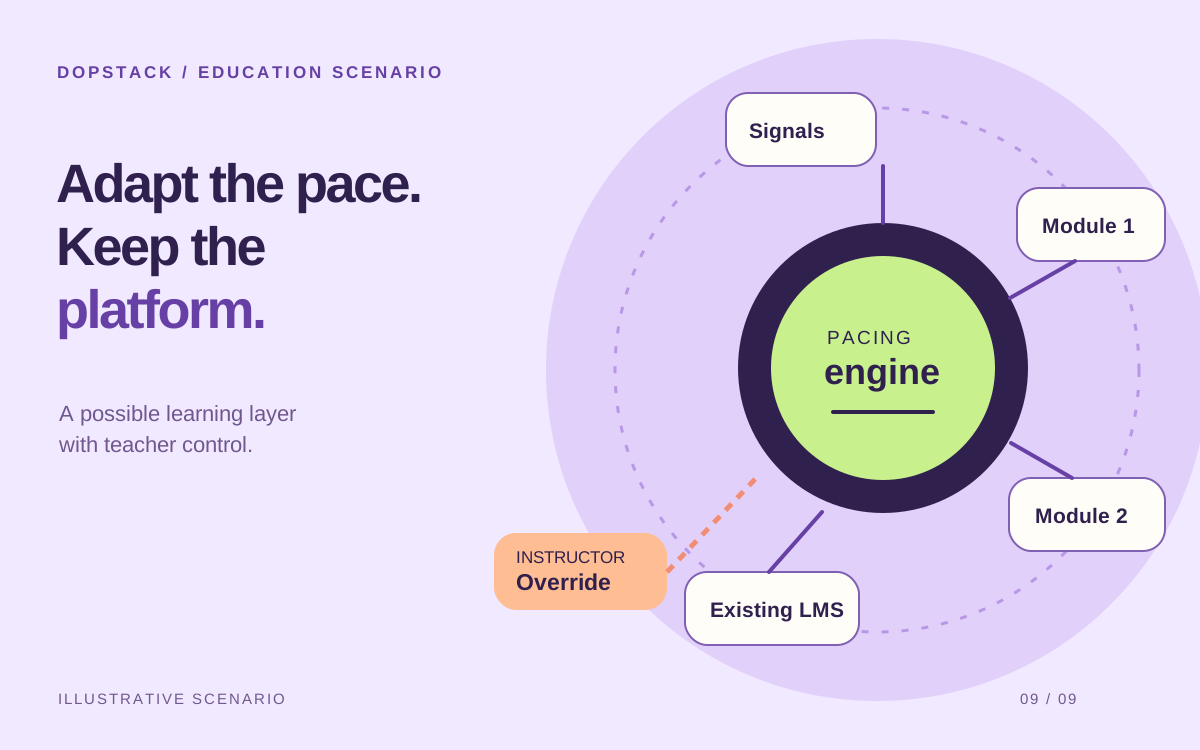
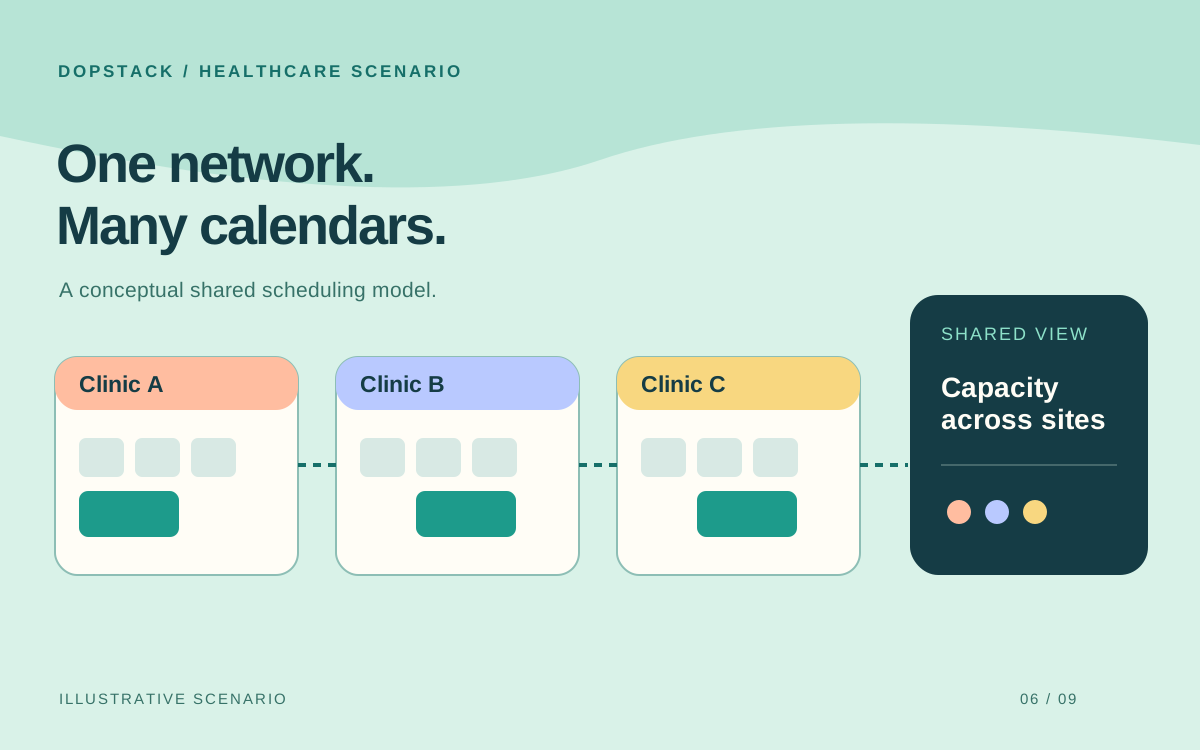
Explore a representative scenario.
Illustrative engineering scenarios, not published client projects.
FAQ
Questions we get asked.
Why not go straight to building?
Because changing direction in a prototype costs an afternoon and changing it in production costs a quarter. Discovery is cheap insurance on the expensive part.
How much research is enough?
Enough to stop guessing about the decisions that are expensive to reverse. In practice that is a focused set of sessions, not a research programme.
Do you hand off to our engineers or yours?
Either. The handover is built assuming an external team will implement it — states, edge cases and a component system, rather than a set of static screens.
What if the research says the idea does not work?
Then you found that out at the cheapest possible moment. Reshaping a concept in week three is a much better outcome than defending it in month nine.