Problems we solve
- Delivery has stalled because product, design and engineering sit with different vendors
- A previous build left a codebase nobody wants to touch
- The requirements are clear enough to start, but the architecture isn't
- The team can ship features but has no reliable release process
Where this fits
- Launching a new product from a blank slate
- Replacing a build that stalled with a previous vendor
- Extending an in-house team without a lengthy hiring cycle
- Taking ownership of an existing codebase mid-project
What's included
- Product discovery & architecture
- Frontend & backend engineering
- QA & release management
- Post-launch support
Technologies
Process
How we deliver it.
01
Discovery & architecture
We map the requirements, constraints and integration points before any code is written, and leave you with an architecture you could hand to any engineering team.
- Technical requirements
- System architecture
- Delivery roadmap
02
Design & prototyping
UX and engineering move in parallel: interface flows get validated with a clickable prototype while the backend architecture is built out, so nothing is designed in isolation from what's technically feasible.
- Wireframes & UI design
- Clickable prototype
- API contracts
03
Build & QA
Two-week iterations, a demo at the end of each one, and automated tests running against every merge — production quality is the default from the first sprint, not a phase at the end.
- Working software every sprint
- Automated test coverage
- CI/CD pipeline
04
Launch & operate
We ship, monitor what we shipped, and stay on as the team that keeps it running — the same engineers who built it, not a handoff to a support desk.
- Production deployment
- Monitoring & alerting
- Ongoing support & iteration
Outcomes
What you have at the end.
Concrete artefacts and capabilities, not a status report.
Why Dopstack
What working with us looks like.
From the blog
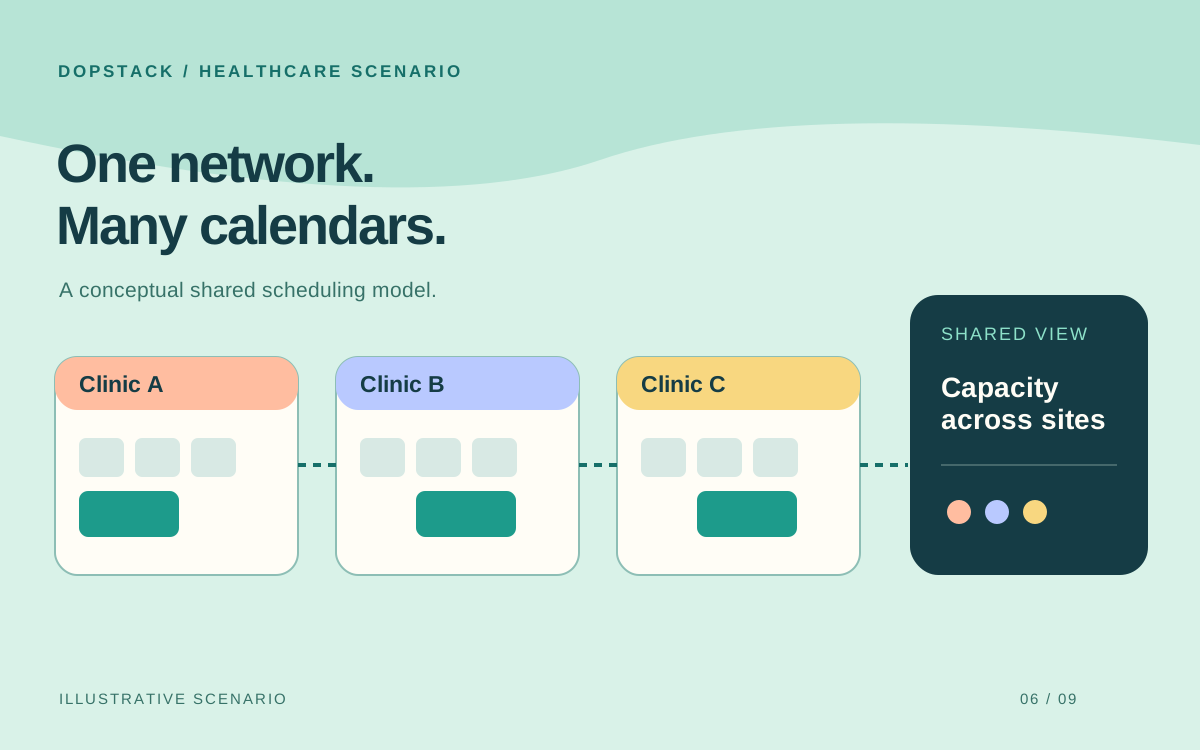
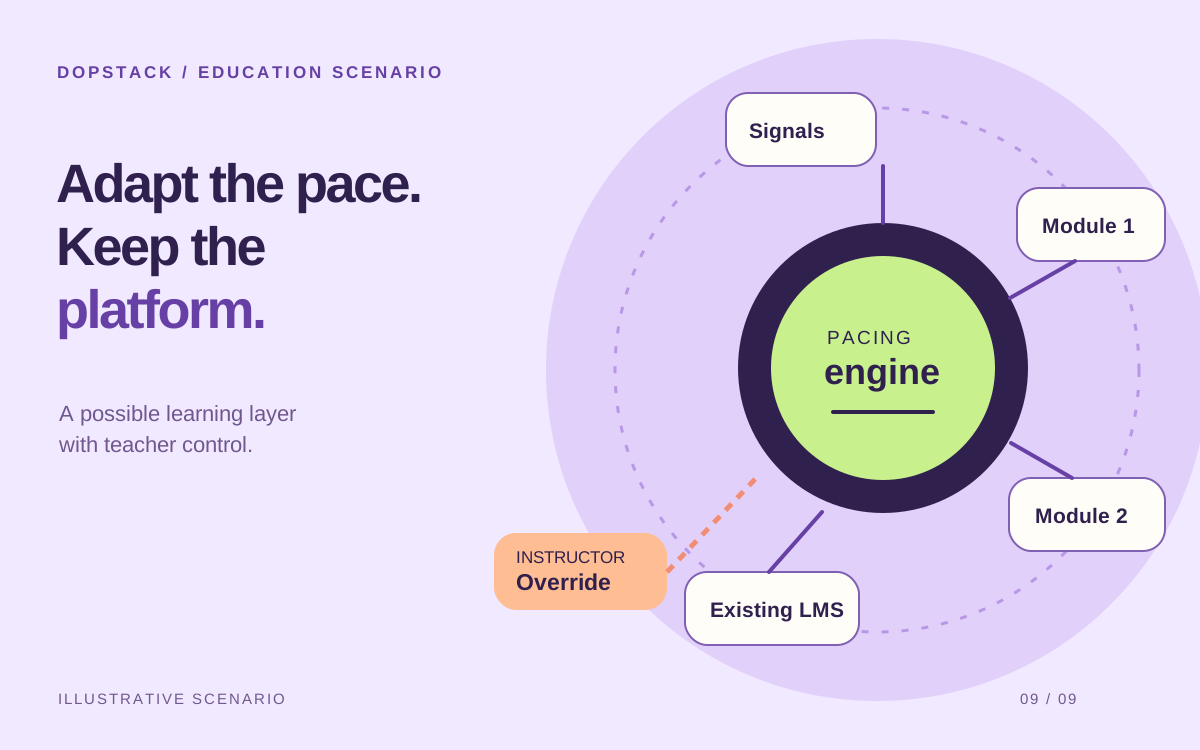
Explore a representative scenario.
Illustrative engineering scenarios, not published client projects.
Expertise
The practices behind this service.
FAQ
Questions we get asked.
Can you take over a project another team started?
Yes. We start with a codebase and infrastructure review to establish what is there, what is load-bearing and what is risk, then agree a stabilization plan before adding features. Taking ownership without that review just inherits someone else's assumptions.
How do you handle scope changes mid-build?
Work runs in two-week iterations with a demo at the end of each one. Scope is re-agreed at that boundary, which keeps changes visible and cheap rather than silently absorbed into the timeline.
Who owns the code and the IP?
You do. Repositories, infrastructure definitions and documentation are yours throughout the engagement, not handed over at the end of it.
What happens after launch?
We either stay on to operate what we built — monitoring, incident response and iteration — or hand over to your team with runbooks and documentation. Which one it is gets planned before launch, not after.